If you have struggled with loose dentures or teeth that keep failing, a fixed hybrid denture anchored by implants can feel like getting your mouth back. The term hybrid refers to a full arch prosthesis that is secured to several dental implants. It stays in the mouth, does not come out at night, and gives you the confidence to chew, smile, and speak without the day to day worry that removable dentures bring. In London Ontario, demand for these solutions has grown steadily over the past decade as more patients discover they do not have to settle for adhesives and soft diets.
I have seen the long arc of this field from both clinical and patient perspectives. The best candidates understand not only the benefits but also the work involved, from planning and surgery to hygiene and maintenance. With the right team, a fixed hybrid can be one of the most life changing treatments in dentistry. With the wrong plan or mismatched expectations, it can become frustrating. The difference lies in careful diagnosis, clear communication, and craftsmanship at every step.
What a hybrid denture is, and what it is not
A hybrid denture is a full arch bridge, usually made from acrylic on a titanium substructure or zirconia, that screws into implants placed in the jaw. It replaces all missing teeth in an arch, along with some of the gum volume that has been lost. Unlike a traditional denture, it is not taken in and out by the patient. It is secured to four to six implants per arch in most cases. The dentist or specialist removes it at maintenance visits to clean around the implants and check the screws.
Patients sometimes confuse hybrids with individual implant crowns. They are different. If you still have several healthy teeth and your main concern is the front smile line or the shape of a few worn teeth, individual crowns or even porcelain veneers may be more appropriate. Hybrids come into play when a whole arch is failing or already edentulous, and you want a fixed, full arch option rather than a removable denture.
Who does well with a fixed hybrid
The happiest hybrid patients share a few traits. First, they are tired of the compromises of removable dentures, such as movement during meals and the inability to bite into crisp foods. Second, they value stability and long term function over the luxury aesthetic of individual ceramic crowns. Third, they are willing to commit to hygiene and follow up, because implants and prosthetics of this scale need stewardship.
From a medical and anatomic standpoint, good candidates have enough bone to place implants of adequate length and width, or they are open to grafting if needed. Heavy smokers, uncontrolled diabetics, and those with active periodontal infection require stabilization before proceeding. In the maxilla, bone quality is softer and sinus anatomy can limit placement, so the plan may call for more implants, angled implants, or grafting. In the mandible, bone is typically denser and more predictable.
Age is not a barrier in itself. I have treated active retirees who wanted to travel without denture worries, and younger patients who lost teeth early due to aggressive periodontitis or trauma. What matters is health status, bone, hygiene aptitude, and goals.
Why London Ontario patients ask about hybrids now
The conversation around dental implants in London Ontario has shifted in the last five to seven years. People come in asking specific, informed questions. They have seen a friend go from a lower denture to a fixed bridge and start eating steak again. They have watched local practices share real case photos. They are also more cost aware, and they want a straight answer on timelines and the number of visits. That puts the onus on the clinical team to map out a plan that fits real life, not just textbook steps.
Local factors also matter. In London, access to a dental implants periodontist or surgeon, an experienced restorative dentist, and a quality lab all within a short drive makes the logistics smoother. If you have a work schedule that limits daytime appointments, you will want a practice with coordinated visits so you are not bouncing between offices more than necessary.
How planning shapes the outcome
Every successful hybrid starts with an honest assessment. Photographs, a cone beam CT scan, periodontal charting, and a bite analysis are standard. If you wear a denture already, we evaluate fit, lip support, and tooth position. Those details inform implant positions and the final prosthesis design. If you still have failing teeth, we weigh the pros and cons of staged extractions versus removing all at once.
Face driven planning matters. Your upper front teeth should support the lip and show an appropriate amount at rest and during a smile. The smile line has to harmonize with your lip line. A hybrid can replace some gum and lengthen the visible teeth to a youthful proportion, but overbuilding bulk to chase lip support leads to speech issues and food traps. Small millimeters make big differences here.
We also plan for hygiene access. The intaglio, or underside of the prosthesis, must have a cleanable contour. Overhanging ledges that feel fine on day one turn into plaque traps by month three. A good test during the try in phase is to pass super floss and an irrigator tip between the prosthesis and gums without snagging. That is not as glamorous as a reveal photo, but it predicts long term satisfaction.
The day of surgery, and what happens next
A typical full arch case in London follows a well rehearsed choreography. If you still have teeth that cannot be saved, they are removed. Implants are placed on the same day in most cases. Depending on bone quality and the torque achieved at placement, we may attach a temporary fixed bridge right away. Clinicians often look for insertion torque in the 30 to 45 Ncm range for immediate loading, though decisions hinge on more than a single number, such as bone density and distribution of implants.
If immediate loading is not prudent, you wear a well fitting temporary denture during healing. In the upper jaw, implants usually need three to six months to fully integrate. In the lower jaw, two to four months is common. Soft tissues settle in the first six to eight weeks. Patience early on pays dividends when you fabricate the definitive prosthesis on a stable foundation.
Post operative discomfort is usually manageable with a few days of analgesics and ice. Swelling peaks around day two or three, then fades. Stitches dissolve or are removed within one to two weeks. The most common complaint I hear is not pain, it is the odd sensation of a fixed appliance where a denture used to sit. The brain adapts quickly. By the two week check, most patients are speaking naturally and trying foods they had given up years ago.
Acrylic hybrid, zirconia bridge, or something in between
Material choice is a balancing act among esthetics, durability, weight, and serviceability.
An acrylic hybrid consists of denture teeth set in high quality acrylic over a custom milled titanium bar. It is kinder to opposing natural teeth or ceramics because it has some give. If a tooth chips, it is often repairable chairside or by the lab in short order. It also allows for easy contouring during try ins to tune phonetics and lip support. The trade off is wear over time. After five to eight years of daily use, many acrylic hybrids need relining, polishing, or tooth replacement.
A monolithic zirconia bridge is milled from a solid ceramic block, often with layered ceramics on the facial for a more natural look. It is strong and resists staining. It tends to be sleeker because it does not need as much bulk for rigidity. The polish is excellent and resists plaque. The caution is hardness. Against natural lower incisors or thin porcelain veneers, a zirconia upper can be too abrasive unless the bite is well managed and a night guard is worn. Repairs are more complex and sometimes require a remake if a large chip occurs.
There are hybrid designs that combine a zirconia framework with pink composite resin for the gingival areas, creating a balance between strength and repairability. The right choice depends on your bite, esthetic goals, and whether you clench or grind.
Bite forces, phonetics, and the feel of real function
A well executed hybrid gives you back efficient chewing. You will not match the bite force of 20 youthful natural teeth with healthy periodontal ligaments, but you can expect a functional improvement that lets you eat salads, meats, and crunchy vegetables without anxiety. Chewing patterns adapt quickly. People often report that the first apple in years is not about the apple, it is the feeling of normalcy.
Speech changes after full arch prosthetics are common in the first days. Letters like S and F sit at the intersection of tooth position and tongue space. During the wax try in or prototype phase, we listen to you read a short passage, then adjust tooth length and palate contours as needed. A small change to the incisor edge position, half a millimeter up or down, can clean up an S sound immediately. The goal is to have the prosthesis support speech without requiring you to think about it.
A brief story from practice
A patient in his late fifties from the east end of London lived with a lower denture for six years after periodontal disease claimed his remaining teeth. He could tolerate it at rest, but any attempt to chew on the right side floated the denture up. Social meals became a dance of small bites and forced laughter. After a consult, we placed five implants in the mandible and delivered a fixed acrylic hybrid the same day. He walked out numb but already testing words that used to whistle through his denture. At the one week check he asked sheepishly if he could try a steak. We said cut it small, chew thoughtfully, listen to your body. The next time I saw him he had gained two pounds and had started taking his granddaughter for ice cream again. The mechanics mattered, but the win was his return to a wider life.
Comparing fixed hybrids to removable dentures
Here is a concise comparison that helps frame the decision for many people considering dentures in London Ontario.
- Stability and function: Hybrids stay fixed and support confident chewing, while removable dentures can shift or lift, especially lowers. Bone preservation: Implants stimulate bone and slow resorption, while dentures sit on gums and bone continues to resorb over time. Hygiene: Hybrids require specific tools and routines around implants, while dentures are removed and cleaned outside the mouth. Maintenance: Hybrids need periodic screw checks and professional cleanings, while dentures need relines as gums change and may need adhesives. Upfront cost: Hybrids cost more initially, while dentures are less expensive at the start but can carry quality of life costs over years.
Costs, insurance, and financing in Ontario
People ask for numbers early, and rightly so. For a single arch hybrid in London Ontario, a ballpark range including diagnostics, extractions if needed, four to six implants, a temporary, and a definitive prosthesis often lands between 20,000 and 35,000 CAD. Complex grafting, premium materials, and multiple provisional stages push costs higher. A straightforward lower arch with dense bone can come in on the lower end. A sinus lift or extensive hard and soft tissue grafting in the upper arch adds time and fees.
Dental insurance in Canada rarely covers the full cost of implant surgery or the prosthesis. Some plans contribute to extractions, sedation, or a portion of implant placement up to annual maximums that are usually modest compared to total fees. Health spending accounts can help. Many practices in London offer staged payments that follow treatment milestones, and third party financing can spread costs over time. It is worth asking for a written plan with itemized phases, not just a single lump sum, so you understand what is included.
When comparing quotes, look at the whole package: number and brand of implants, provisional plan, material choice for the final, number of visits, and follow up care. A lower sticker price that excludes a provisional or uses a one size bar design may cost more later in remakes and adjustments.
Timeline and number of visits
A typical arc looks like this. After consultation and planning, surgery day includes extractions if required and implant placement. If immediate loading is indicated, you leave with a fixed provisional the same day. The next two to three weeks include short checks to adjust bite and clean under the prosthesis. If delayed loading is chosen, you wear a refined denture during healing and return for implant uncovering and impressions once integration is confirmed.
Fabrication of the final prosthesis usually involves a series of steps: a verification jig to ensure precise implant positions, bite records to lock in jaw relations, a tooth setup or milled prototype to test esthetics and speech, and then the definitive delivery. In calendar time, most cases take three to six months. With staged grafting or sinus work, add several months for healing before implant placement. That is the honest timeline. Rushing steps often leads to remakes.
Team matters: surgeon, restorative dentist, and lab
Hybrid prosthetics live at the intersection of surgery, prosthodontics, and artistry. A dental implants periodontist or oral surgeon plans the foundation in bone, places implants, and guides soft tissue contours. The restorative dentist or prosthodontist shapes the bite, esthetics, and cleansability. A skilled laboratory translates records into precision parts and finish for daily function.
In London, many practices coordinate closely, and some have all services under one roof. Either approach can work well. The key is communication. Ask who will be responsible for each Click here for info step, where the lab work is done, and how the team handles complications if they arise. That is not being distrustful, it is being an informed partner in your care.
Risks, complications, and how to avoid them
Implants are predictably successful, but they are not invincible. Failures can occur, especially in smokers, uncontrolled diabetics, or heavy bruxers. Early failures typically show up in the first months if an implant does not integrate. Late complications often relate to hygiene challenges and peri implantitis. The good news is that most issues are manageable if caught early.
Mechanical complications include loose screws, fractured prosthetic teeth in acrylic designs, and chipped ceramic in zirconia designs. Regular checks let the team retighten and adjust before small issues become big ones. For bruxers, a night guard is not optional. It protects your investment and your joints.
An edge case that deserves mention is a very high smile line. If your lips reveal a lot of gum when you smile, managing the transition between prosthetic gum and natural gum becomes critical. In some faces, showing any pink ceramic or acrylic can look artificial. The plan may call for different compromises, like higher implant numbers to reduce visible pink, or even considering individual crowns if enough teeth can be saved. This is where a wax or digital mock up and a candid chairside mirror session make all the difference.
Cleaning a hybrid at home
Daily care is not complicated, but it does require intention. Here is a simple home routine that works for most patients.
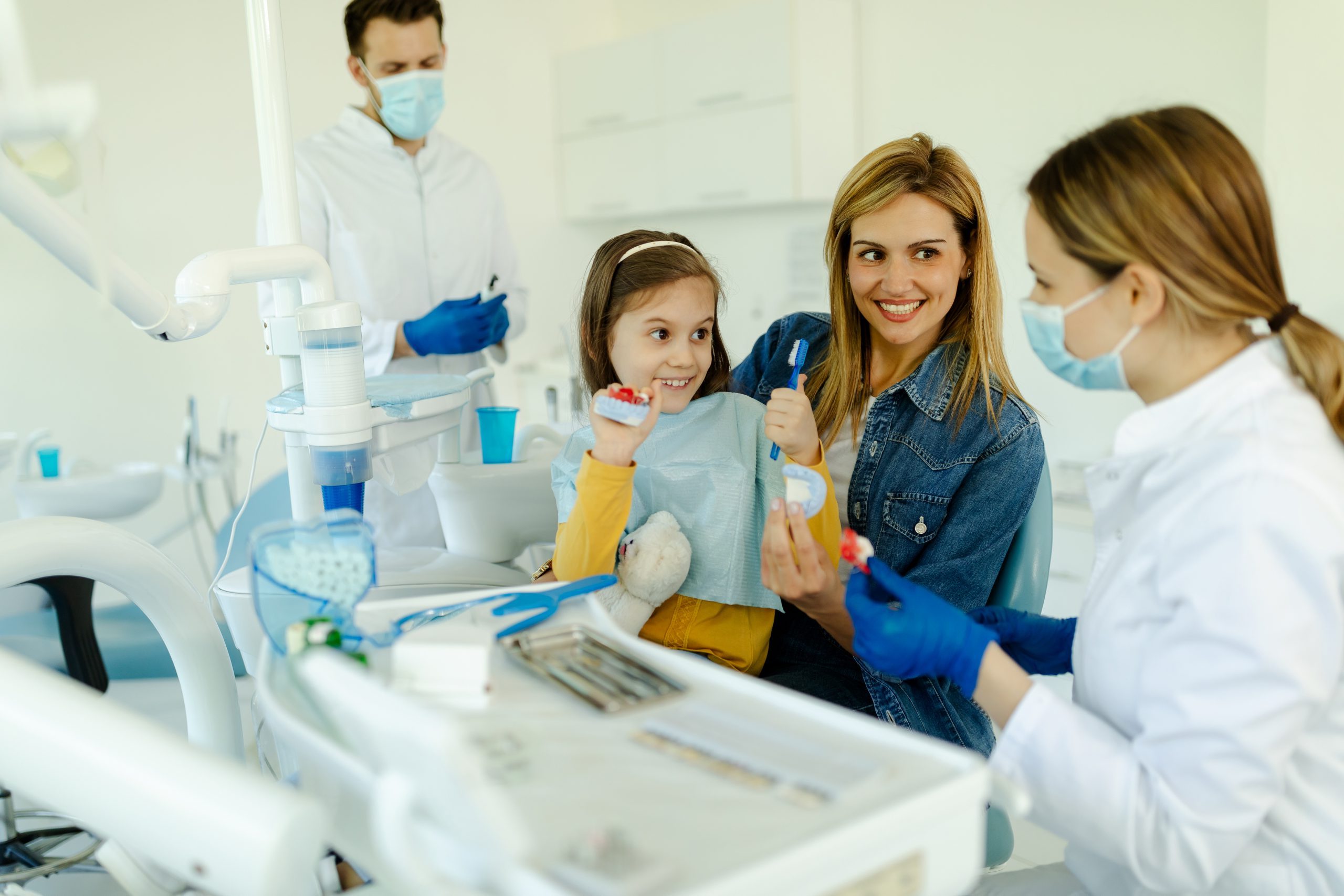
- Use super floss or implant floss under the prosthesis once daily, sweeping along each implant site. Employ a water irrigator on low to medium setting to flush food debris, angling the tip along the gum line. Brush the prosthesis and your gums with a soft brush and non abrasive toothpaste. Wear a night guard if prescribed, rinsing and brushing it daily. Keep up with professional cleanings and screw checks as advised, usually every 4 to 6 months.
At hygiene visits, the team removes the prosthesis when needed, cleans around the implants, checks tissue health, and retorques screws to manufacturer specs. The first year often includes more frequent reviews as you and the prosthesis settle into a rhythm.
A word about esthetics and porcelain veneers
For patients who ask about hybrids and also mention porcelain veneers in the same breath, it helps to clarify goals. Veneers are a cosmetic and functional refinement for teeth that are present and reasonably healthy. They can transform color, shape, and alignment with minimal tooth reduction, and they shine in smiles with intact gum architecture. If your teeth are mobile, fractured to the gum line, or have advanced bone loss, veneers are not the tool.
Hybrids, by contrast, restore entire arches where teeth have failed. They offer esthetic improvement relative to a failing dentition or a denture, but the reference point is different. The art lies in setting tooth size, translucency, and gingival contours that look natural for your face, not in adding fashion veneer traits to a full arch framework. That said, modern zirconia and layered ceramics allow for lifelike incisal translucency and natural surface texture when the lab has the time and records to finesse it.
What to ask at a consultation in London
When you meet a provider for dental implants in London, bring a short list of priorities. If chewing on both sides without worry ranks above everything, say so. If your job involves speaking on camera, call that out early so phonetics get extra attention. Ask to see before and after cases with similar anatomy or smile lines. Inquire how many full arch cases the team completes each month, how they handle immediate loading, and what their maintenance protocol includes. A candid conversation at the start prevents disappointment later.
It also helps to align expectations with your schedule and support system. Surgery days and the first few weeks go smoother if you can plan quieter meals, rest, and rides to and from appointments. If you care for a spouse or grandchild, build a short support plan for the first 48 hours. These are the unglamorous details that determine how you experience your treatment.
The bottom line for patients considering dentures in London Ontario
Living with unstable dentures is not your only option. A fixed hybrid prosthesis on implants can return confident function and a natural looking smile. The path is deliberate rather than quick, and success depends on a team that listens and plans around your face, bone, and goals. Costs are significant, but many patients judge the value by what they regain in daily life rather than by the invoice alone.
If you are weighing dental implants London Ontario providers or comparing quotes for dentures London Ontario alternatives, seek a consultation that includes a face centered exam, a cone beam scan, and a frank discussion of materials, timelines, and maintenance. Whether you end up with a lower hybrid to steady a once unruly denture, an upper zirconia bridge tailored to a high smile line, or a different plan entirely, the right treatment will feel like it was built for you because it was.
Paradigm Dental — Business Info (NAP)
Name: Paradigm DentalAddress: 532 Adelaide St N, London, ON N6B 3J4, Canada
Phone: (519) 672-3232
Website: https://paradigmdental.ca/
Email: [email protected]
Hours:
Monday: 8:00 AM – 5:00 PM
Friday: 8:00 AM – 3:00 PM
Open-location code (Plus Code): XQV8+3Q London, Ontario
Map/listing URL: https://www.google.com/maps/place/Paradigm+Dental/@42.9926997,-81.2356417,17z/data=!4m7!3m6!1s0x882ef3007061d71f:0x772b512bba5c27cb!8m2!3d42.9926997!4d-81.2330668!15sChZQYXJhZGlnbSBEZW50YWwgTG9uZG9uWhgiFnBhcmFkaWdtIGRlbnRhbCBsb25kb26SAQ1kZW50YWxfY2xpbmlj4AEA!16s%2Fg%2F11rk021m3q
Embed iframe:
Socials (canonical https URLs):
Facebook: https://www.facebook.com/61577765603392/
https://paradigmdental.ca/
Paradigm Dental is a family dental clinic in London, Ontario providing general dentistry and a range of in-office dental care services.
Patients can request an appointment for routine exams and cleanings, restorative dental work, and other clinic services listed on the website.
The office address is 532 Adelaide St N, London, ON N6B 3J4, Canada.
To contact Paradigm Dental, call (519) 672-3232 or email [email protected].
Hours currently listed are Monday 8:00 AM–5:00 PM and Friday 8:00 AM–3:00 PM.
For directions and listing details, use the map listing: https://www.google.com/maps/place/Paradigm+Dental/@42.9926997,-81.2356417,17z/data=!4m7!3m6!1s0x882ef3007061d71f:0x772b512bba5c27cb!8m2!3d42.9926997!4d-81.2330668!15sChZQYXJhZGlnbSBEZW50YWwgTG9uZG9uWhgiFnBhcmFkaWdtIGRlbnRhbCBsb25kb26SAQ1kZW50YWxfY2xpbmlj4AEA!16s%2Fg%2F11rk021m3q.
Follow updates on Facebook: https://www.facebook.com/61577765603392/
Popular Questions About Paradigm Dental
Where is Paradigm Dental located?Paradigm Dental is located at 532 Adelaide St N, London, ON N6B 3J4, Canada.
How do I contact Paradigm Dental?
Phone: +1-519-672-3232
Email: [email protected]
Website: https://paradigmdental.ca/
What are the hours for Paradigm Dental?
Hours listed: Monday 8:00 AM–5:00 PM and Friday 8:00 AM–3:00 PM.
What services does Paradigm Dental offer?
The clinic lists services such as examinations and cleanings, fillings, crowns/bridges, dentures, root canal therapy, orthodontic options, dental implants, and other dental care services (availability can vary).
How do I get directions to Paradigm Dental?
Use the Google Maps listing for turn-by-turn directions: https://www.google.com/maps/place/Paradigm+Dental/@42.9926997,-81.2356417,17z/data=!4m7!3m6!1s0x882ef3007061d71f:0x772b512bba5c27cb!8m2!3d42.9926997!4d-81.2330668!15sChZQYXJhZGlnbSBEZW50YWwgTG9uZG9uWhgiFnBhcmFkaWdtIGRlbnRhbCBsb25kb26SAQ1kZW50YWxfY2xpbmlj4AEA!16s%2Fg%2F11rk021m3q
Landmarks Near London, ON
1) Victoria Park2) Covent Garden Market
3) Budweiser Gardens
4) Western University
5) Springbank Park